
Struggling with messy embroidery that lacks neat stitches on your fabric? As a beginner embroiderer, you’ve likely faced puckered designs or uneven threads using free tools. This guide delivers instant fixes-from tension tweaks and DMC thread swaps to proper hooping and Bloom Embroidery Academy-inspired techniques. Preview quick machine setups, stabilizer matches, and RIP software hacks for professional neat results fast. (58 words)
Key Takeaways:
- Switch to high-quality embroidery thread and match stabilizers to your fabric type for sharper, distortion-free stitches in your next project-results visible instantly.
- Adjust tension dials and clean your machine in 5 minutes to eliminate skipped stitches and puckering, ensuring flawless embroidery quality right away.
- Hoop fabric with even tension and use professional RIP software like Needlic to resize designs correctly, preventing alignment issues and boosting precision-visit https://needlic.com/.
What Does “Improving Embroidery Quality Instantly” Mean?
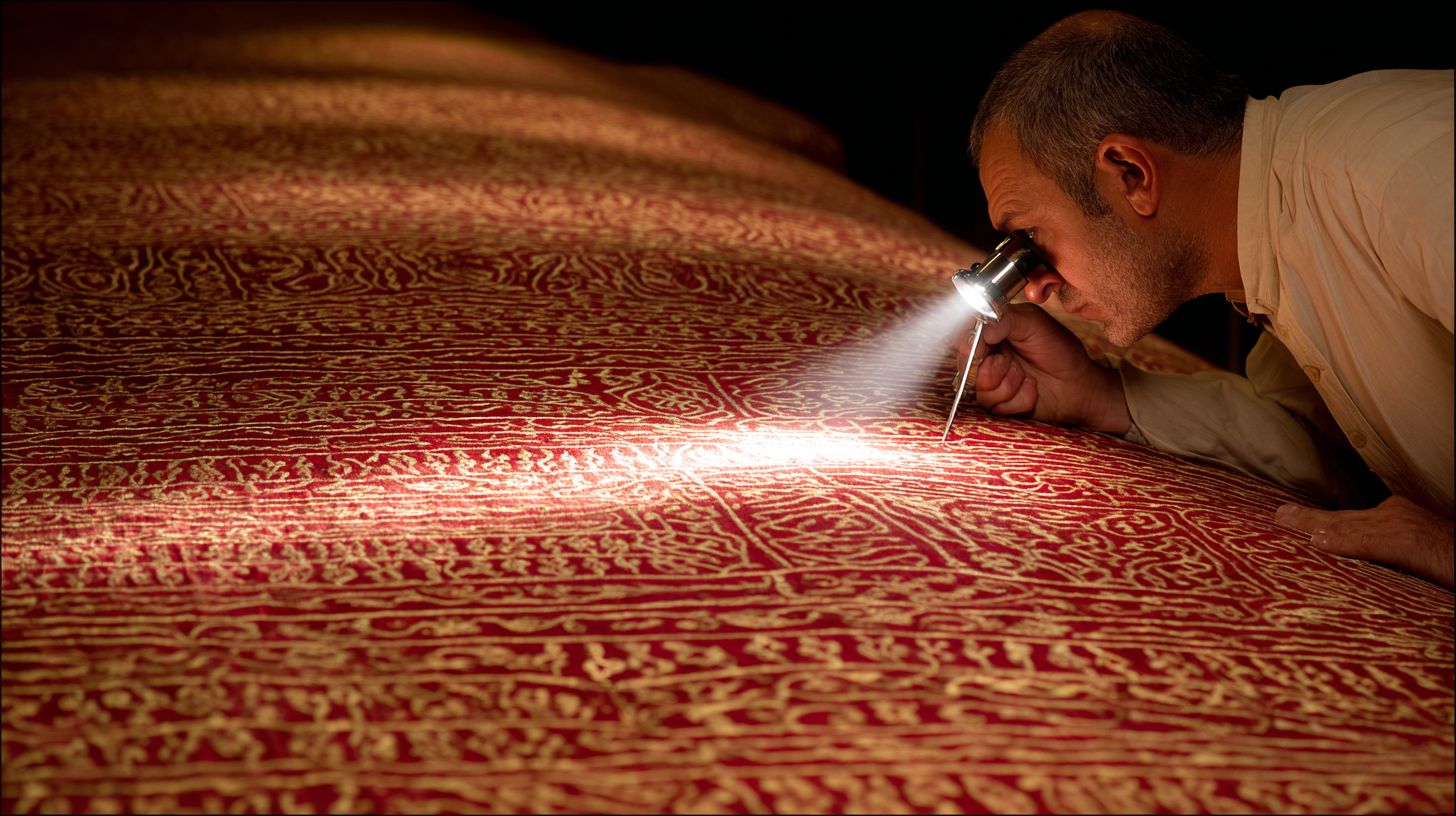
Improving embroidery quality instantly means achieving neat stitches, consistent tension, and flawless edges without puckering on fabrics like cotton or linen, transforming amateur results into professional ones in minutes. High-quality embroidery features precise placement and smooth outlines that hold their shape. This quick upgrade comes from simple adjustments in machine maintenance, thread tension, and design tools.
Core signs of top embroidery include even stitch length and no loose threads, following standards like those from the Embroidery Guild of America for stitch consistency. Poor work shows skipped stitches, fabric distortion, or messy backs. Instant fixes target these issues for better production efficiency.
Use RIP software to optimize designs before stitching, ensuring stitch direction flows naturally. Pre-wash fabric and select the right embroidery needle to avoid common problems. These steps deliver professional results on cotton tees or linen towels right away.
Focus on hoop tension and backing paper for flat results. Practice short sessions with a magnifying lamp to check color blending and edges. This approach boosts quality without long learning curves.
Key Indicators of Poor Embroidery Quality
Poor embroidery quality shows through puckering on fabric, inconsistent tension causing loose threads, skipped stitches, and bird nesting under the fabric, often due to improper machine setup or low-quality supplies. Spot these by running your fingers over the work for wrinkles or pulls. Quick self-checks reveal issues before they ruin a project.
- Puckering: Fabric wrinkles from tight thread tension on cotton, making shapes look distorted. Loosen tension and use backing paper to fix it fast.
- Skipped stitches: Gaps from a dull needle on Aida fabric or thick threads. Swap the needle and test on scrap for smooth satin stitch lines.
- Bird nesting: Loops and tangles below from bobbin tension mismatch. Adjust the bobbin case and rethread for clean undersides.
- Uneven edges: Jagged outlines from poor hoop tension. Tighten the hoop evenly and stabilize the work area for precise back stitch results.
Check stitch length variation by measuring lines under good light. Use a transfer method like iron-on for accurate design placement. These visual cues guide instant improvements in embroidery quality.
Quick Machine Setup Fixes for Instant Results
Quick machine setup fixes like needle checks, 5-minute cleaning, and tension tweaks can instantly improve stitch quality by ensuring consistent tension and reducing skips on any embroidery project.
Proper setup boosts production efficiency through reliable operation. Experts recommend John James Needles for compatibility with most machines. Focus on bobbin tension adjustments and daily maintenance routines to maintain neat stitches.
These steps prevent common issues like puckering and thread breaks. Test on scrap fabric such as cotton or linen before full designs. Consistent habits lead to precise placement and smooth satin stitches.
Incorporate a magnifying lamp in your work area for better visibility during checks. Pre-wash fabric to avoid shrinkage surprises. These quick fixes enhance overall embroidery quality without complex tools.
Check and Adjust Needle Type and Condition
Start with your embroidery needle: use John James Needles size 75/11 for cotton or linen to prevent skipped stitches and achieve neat stitches instantly.
Inspect the needle closely for bends or damage at the tip. Replace it immediately if flawed to avoid inconsistent results on your design.
- Inspect needle for bends, replace if tip damaged.
- Match size to fabric, such as 75/11 for cotton, 90/14 for linen.
- Insert correctly with flat side back for proper alignment.
- Test on scrap Aida fabric to confirm smooth operation.
This 1-minute check stops puckering from universal needles. Practice on a simple outline or back stitch to verify. Maintain supplies like extra needles for uninterrupted work and stitch length control.
Clean Your Embroidery Machine in 5 Minutes
Lint buildup causes thread breaks; a 5-minute clean restores smooth operation for consistent stitches on every design.
Unplug the machine first for safety. Focus on areas where lint hides to ensure machine maintenance supports quality embroidery.
- Unplug machine, remove bobbin and throat plate.
- Brush out lint from bobbin case using the included brush.
- Wipe hook area with a microfiber cloth gently.
- Re-lubricate per manual instructions.
- Test run empty to check for issues.
Avoid the common mistake of skipping the bobbin area, which leads to bird nesting and uneven edges. Clean daily for projects with heavy color blending or dense fills. This routine improves stitch direction and shape retention on hoop-stretched fabric.
Tension Dial Tweaks for Perfect Stitches
Incorrect tension causes loose top threads or pulled fabric; dial tweaks ensure balanced stitches with perfect edges.
Begin with standard settings for reliable results. Use DMC thread as a baseline for adjustments on cotton or linen.
- Set top tension to 4-5 for standard thread.
- Check bobbin tension with a 20-25g pull test.
- Stitch a sample on scrap fabric.
- Adjust 1/4 turn until loops disappear.
Complete in 2 minutes, aiming for no puckering on a 4×4 inch square. Test back stitch or satin stitch samples. Pair with backing paper and proper transfer method for professional finishes and design optimization.
Optimize Thread and Stabilizer Choices Immediately
Switching to DMC embroidery thread and matching stabilizers to fabric types like cotton or linen eliminates most quality issues like fraying or puckering right away. Quality supplies improve color blending and stitch direction consistency for neat stitches. Bloom Embroidery Academy tips highlight pre-washing fabric and using backing paper for tearaway stabilizers on knits.
High-quality thread ensures consistent tension across designs, reducing puckering on edges. Proper stabilizers prevent fabric distortion during stitching, especially for satin stitch or back stitch outlines. This quick switch leads to precise placement and smoother shapes.
Start by assessing your fabric type and current supplies. Replace polyester threads with stranded cotton for better stitch length control. Pair with the right stabilizer to boost production efficiency without machine maintenance delays.
Experts recommend testing small swatches first. These changes deliver vibrant results in short stitches and even thread tension. Your embroidery will look professional instantly.
Switch to High-Quality Embroidery Thread
DMC embroidery thread resists breakage and ensures vibrant color blending, outperforming craft store polyester by delivering short stitches with consistent tension. Select DMC stranded cotton (Art. 117) for reliable performance on cotton or linen. It holds shape in intricate designs like outlines or fills.
Follow these steps for best results:
- Select DMC stranded cotton and separate 2-3 strands for fine work.
- Wax thread ends to prevent fraying during long sessions.
- Store in your work area away from sun to maintain quality.
This approach minimizes breaks, as shared by Sophie from Patreon. Use a magnifying lamp to check neat stitches. Thread tension stays even for precise stitch direction.
Practice on scrap fabric to feel the difference. Your embroidery needle glides smoothly, improving overall quality. Designs emerge with sharp edges and no loose threads.
Match Stabilizers to Fabric Types Fast

Use cutaway stabilizer for stretchy cotton and tearaway backing paper for linen to prevent puckering and ensure precise placement. Matching stabilizers to fabric avoids stiffness and supports consistent tension. Pre-wash fabric first for best adhesion.
Quick match guide:
| Fabric | Stabilizer | Hoop Layers |
|---|---|---|
| Cotton | Medium tearaway | 1 layer |
| Linen | Backing paper + water-soluble topper | 2 layers |
Steps for application: Pre-wash fabric, cut stabilizer 2 inches larger, then use float or hoop method. Avoid heavy stabilizer on light fabrics to keep flexibility. This prevents distortion in satin stitch areas.
Test on a sample for neat stitches and even shapes. Stabilizers enhance design optimization and transfer method accuracy. Your embroidery gains professional finish quickly.
Hooping Techniques for Flawless Alignment
Proper hooping with even fabric tension in the embroidery hoop ensures flawless alignment, preventing puckering and distortion in every stitch. According to WZ Elite Embroidery techniques, consistent tension plays a key role in producing neat stitches across designs. This method keeps the fabric stable, allowing precise needle penetration and uniform thread tension.
Use 6-8 inch hoops for most projects, as they provide the ideal balance of stability and maneuverability. Larger hoops suit bigger designs on linen or cotton, while smaller ones work for detailed outlines. Pair this with a magnifying lamp to spot tiny adjustments in your work area.
Focus on drum-tight tension to mimic hand embroidery’s consistent results. This eliminates wavy lines in satin stitch or back stitch sections. Practice these steps to instantly improve embroidery quality and production efficiency.
Pre-wash fabric to avoid shrinkage, and select the right embroidery needle for your thread. These hooping techniques enhance stitch direction and color blending for professional edges every time.
Proper Fabric Tension in the Hoop
Drum-tight fabric tension in the hoop mimics hand embroidery’s consistent tension, eliminating wavy lines and improving outline shapes. Follow these steps for flawless results on cotton or linen. This approach ensures neat stitches without distortion.
Place the inner hoop flat on a table for stability. Lay the fabric wrong side up, centering the design using your preferred transfer method, such as water-soluble pen marks. A magnifying lamp helps with precise placement here.
Press the outer hoop firmly over the fabric. Test with a finger flick; it should produce a clear twang sound like a drum. Smooth out any bubbles from the center outward.
Secure edges with tape if needed to prevent shifts. This maintains stitch length consistency during embroidery. Results include crisp satin stitches and defined back stitch outlines.
Avoid Common Hooping Mistakes
Over-tight hooping causes puckering on cotton while loose tension leads to shifted designs; practice on scrap fabric first. Identifying these errors boosts embroidery quality instantly. Use backing paper under fabric for added support.
Here are four common mistakes and simple solutions:
- Bubbles under fabric: Smooth them from center out with your fingers before final tightening.
- Off-center design: Mark guidelines with water-soluble pen for accurate transfer method alignment.
- Fabric shift during stitching: Tape edges securely to the hoop for consistent tension.
- Wrong hoop size: Stick to 2 hoops maximum; choose 6-8 inch for most projects to avoid distortion.
Do 5-minute daily hoop drills on scraps to build muscle memory. This hones skills for precise needle work and thread tension control. Expect sharper design shapes and even bobbin tension over time.
Design Preparation Hacks Using RIP Software
RIP software hacks like resizing and reducing stitch density optimize designs for cleaner output, reducing machine stress and improving quality instantly. This tool plays a key role in embroidery digitizing by controlling precise stitch direction and boosting production efficiency. It ensures neat stitches on various fabrics like cotton or linen.
RIP software offers natural integration for satin stitch and back stitch adjustments. Adjust these elements to maintain consistent tension and avoid puckering. Designs run smoother, leading to professional results with less thread waste.
Experts recommend using RIP for design optimization before any embroidery run. Preview stitch-outs to check stitch length and outline shapes. This step delivers instant quality boosts through better precise placement and color blending.
Incorporate underlay stitches via RIP to stabilize fabric under the hoop. This prevents shifting during production, ensuring consistent edges. Practice these hacks for reliable, high-quality embroidery every time.
Resize and Rescale Designs Correctly
Rescaling in RIP software maintains stitch length proportions, preventing gaps or overcrowding when sizing designs from 4×4 to 8×8 inches. Open the design file first to start the process. This keeps neat stitches intact across scales.
Follow these steps in RIP for safe resizing:
- Select the resize tool and hold aspect ratio to avoid distortion.
- Scale no more than 10-20% per adjustment for control.
- Check total stitch count, aiming under 20k for home machines.
- Preview the shape and outline for consistency.
- Save as a new file to preserve the original.
Avoid free scaling, which causes uneven thread tension and puckered fabric. For example, enlarging a floral motif without ratio locks leads to loose edges. Always test on scrap cotton first.
Use a magnifying lamp during preview to inspect details. This ensures precise stitch direction and smooth satin areas. Rescaling properly improves overall embroidery quality instantly.
Reduce Stitch Density Instantly
High stitch density causes puckering; RIP software instant reduction to 0.4mm spacing delivers padded satin stitch quality without bulk. Select satin or outline areas to begin adjustments. This creates consistent tension for better fabric lie.
Apply these RIP steps for density reduction:
- Highlight satin stitch and back stitch regions.
- Set density to 0.35-0.45mm for optimal spacing.
- Add underlay stitch first to secure the base.
- Preview the full stitch-out on screen.
- Export the refined design for machine use.
Results include less thread use and reduced needle stress, per common benchmarks. For instance, dense fills on linen smooth out with underlay. Test with embroidery needle size matched to thread.
Combine with pre-wash fabric and backing paper for flawless runs. Monitor bobbin tension during production. These tips yield neat stitches and professional edges right away.
How Does Software Impact Embroidery Quality?
Software directly controls stitch direction, density, and tension compensation, turning messy designs into professional neat stitches effortlessly. Manual digitizing often leads to puckering and uneven edges on fabric like cotton or linen. Automated tools adjust these factors for consistent tension and smooth outlines.
With professional RIP software, you get precise placement and color blending that free tools cannot match. For example, a satin stitch design resized manually distorts shapes, but software keeps proportions intact. This results in neat stitches without extra practice on hoops or needles.
Contrast manual methods with automated optimization: hand-adjusted stitch length causes thread tension issues, while software applies consistent tension across the design. Use a magnifying lamp to check outputs, and always pre-wash fabric to avoid surprises. These steps improve embroidery quality instantly for production efficiency.
Experts recommend starting with simple back stitch outlines in software to test machine maintenance compatibility. Pair it with proper supplies like embroidery needles and backing paper for sharp edges. This approach ensures your work area yields professional results every time.
Free Tools vs Professional RIP Software
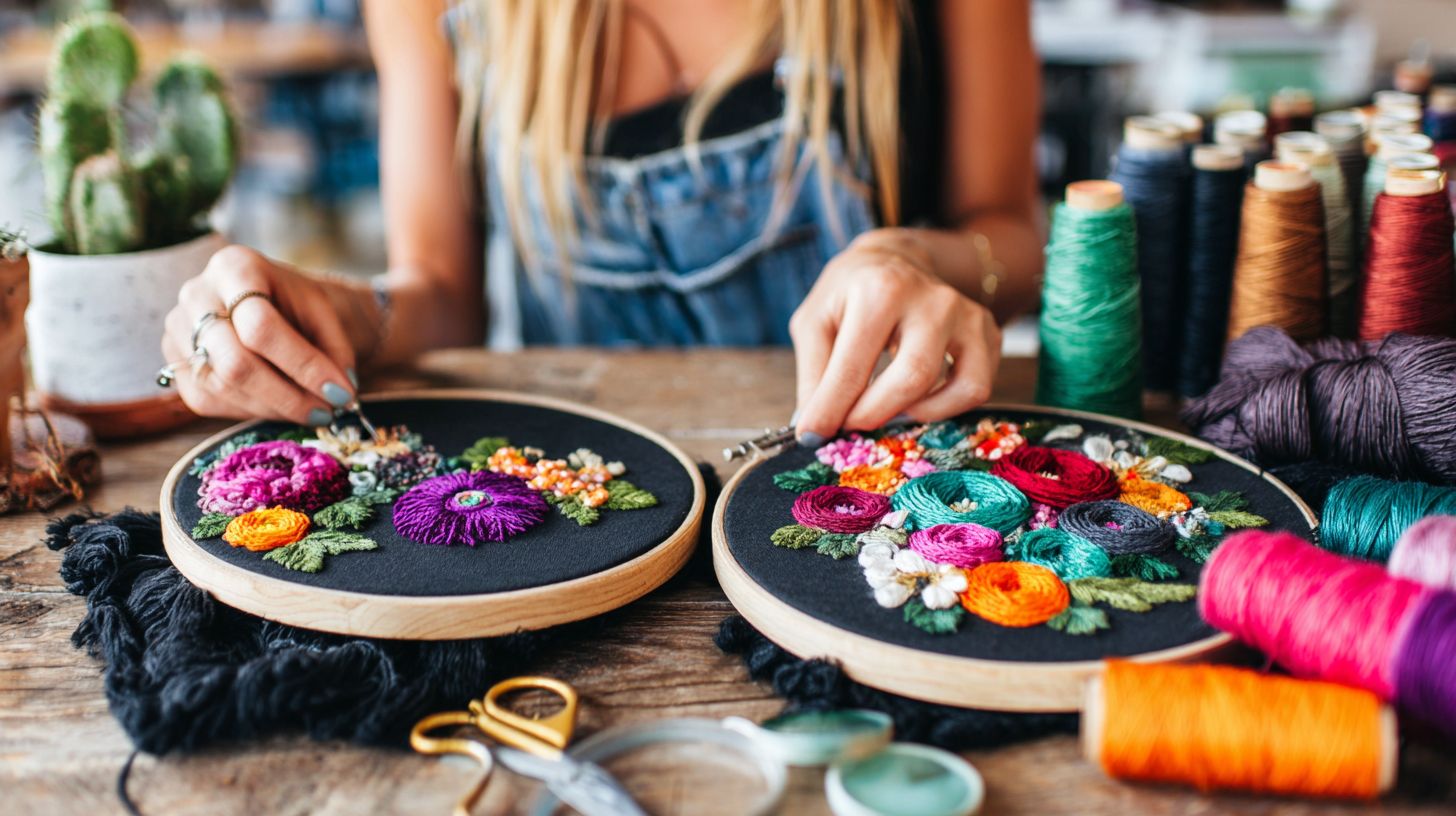
Free tools lack density control and tension adjustments, while professional RIP software like Needlic or WZ Elite prevents common errors like puckering and distortion. Hobbyists rely on manual tweaks that often fail on complex designs. Pro options automate for neat stitches on any fabric.
Free software suits quick sketches, but switch to RIP for final output with design optimization. This hybrid method boosts quality without constant hoop adjustments or bobbin tension fixes. Practice on scrap linen to see the difference in stitch direction.
| Feature | Free Tools | Pro RIP Software |
|---|---|---|
| Stitch Density | Manual only, risks puckering | Auto-optimize for consistent tension |
| Resize | Distorts shapes and edges | Proportional scaling, keeps outlines sharp |
| Color Blending | Basic, poor machine compatibility | Advanced matching for thread and needle |
| Tension Compensation | None, needs manual transfer method | Automatic, reduces short stitches issues |
| Best For | Hobby sketching | Production efficiency |
Use free tools for initial embroidery design ideas, then import to pro RIP for precise placement. This ensures smooth satin stitches and even thread tension. Test on cotton with a magnifying lamp to verify improvements before full projects.
Test and Calibrate with a Quick Sample
A quick sample stitch-out validates all fixes, catching issues before full production on your fabric. This 2-minute test saves thread and supplies by spotting problems like puckering or uneven edges early. Use the same hoop settings and thread as your project for accurate calibration.
Hoop scrap fabric and stabilizer that match your main material, such as cotton or linen. Load a simple test design to check tension, density, and stitch quality. Run it at production speed to mimic real conditions.
Inspect the sample closely with a magnifying lamp if needed. Pull threads gently to test strength and look for consistent stitches. Adjust needle, thread tension, or hoop tightness based on results before committing to the full design.
This practice boosts production efficiency and ensures neat stitches every time. Experts recommend it as a key tip to improve embroidery quality instantly. Save supplies and gain confidence in your machine maintenance routine.
Run a 2-Minute Test Stitch-Out
Stitch a simple 3×3 inch square with back stitch outline and satin stitch fill to check tension and density instantly. This test reveals issues like puckering or loose threads in under two minutes. Match your project’s thread, needle, and embroidery needle size exactly.
Follow these steps for reliable results:
- Hoop scrap fabric and stabilizer to match your production piece, ensuring tight and even tension.
- Load a basic test design with straight, satin, and zigzag stitches to evaluate stitch direction and length.
- Run the machine at your normal production speed without interruptions.
- Inspect for neat stitches, even edges, and no fabric distortion; pull threads to test strength.
Adjust bobbin tension or thread tension if the back stitch outline puckers or the satin fill gaps. Shorten stitch length for denser coverage on knits. This quick check prevents waste and promotes consistent tension.
Repeat with color blending if your design has multiple threads. Use backing paper on tricky fabrics for better shape retention. Practice this on various materials to refine your transfer method and design optimization.
Instant Fixes for Common Stitch Issues
Thread breaks, skips, puckering, and bird nesting ruin projects. These fixes resolve them in under 60 seconds each. Follow EGA guidelines on tension and needles for neat stitches.
Root causes often tie to thread tension mismatches or worn embroidery needles. Check your setup from prior sections on machine maintenance. A quick adjustment brings consistent tension and smooth results.
For skipped stitches, verify needle size matches thread count. Dull needles cause breaks, so swap them out fast. Practice on scrap cotton fabric to test.
Puckering needs looser tension and stabilizers. Bird nesting fixes with bobbin tweaks. These tips improve embroidery quality instantly for any design.
Solve Thread Breaks and Skipped Stitches
Thread breaks from dull needles or mismatched bobbin tension. Quick swap and 1/4-turn adjustment fixes most cases. Use a John James needle in good condition.
Re-thread the top and bobbin fully each time. Inspect for short stitches or skips after setup. This ensures neat stitches in satin stitch or back stitch outlines.
For skips, loosen top tension to around 3.5. Match embroidery needle size to thread count, like size 75 for standard polyester. Test with 10 stitches on linen.
Experts recommend a magnifying lamp for precise checks. Pre-wash fabric to avoid tension issues. These steps boost production efficiency and consistent edges.
Fix Puckering and Bird Nesting Fast
Puckering signals tight tension or wrong stabilizer. Bird nesting means loose bobbin. Adjust both for flat, smooth results on any fabric.
For puckering, add topper stabilizer and loosen tension to 4. Hoop tighter to hold shape. This prevents wavy satin stitch edges in designs.
Bird nesting fixes by tightening the bobbin case screw 1/8 turn for a 20g pull test. Clear threads from the work area first. Sophie fixed her linen project this way.
Use backing paper under hoop for delicate fabrics like cotton. Check stitch direction and length for even coverage. Practice yields precise placement and quality improvement.
Why Professional Software Delivers Better Results
Professional RIP software automates design optimization for precise placement and consistent tension, boosting quality beyond free tools. It handles complex stitch direction and color blending that free options struggle with. This leads to neat stitches and reduced puckering on fabric like cotton or linen.
Users often see production efficiency improve with features like auto underlay and machine-specific output. For example, when embroidering a satin stitch outline, the software ensures even thread tension across the design. This prevents loose edges and creates professional shapes without manual tweaks.
Scaling from hobby to pro becomes easier as the software manages stitch length and density automatically. Practice sessions show quicker results with consistent tension, saving time on hoop adjustments and needle changes. Experts recommend it for anyone aiming for embroidery quality that rivals commercial work.
In real workflows, it excels at precise placement on various supplies, reducing errors in transfer methods. Combine it with a magnifying lamp for detailed checks, and your neat stitches will stand out. This upgrade transforms basic designs into polished pieces ready for production.
Upgrade from Free Tools for Precision
Free tools limit stitch control; upgrading delivers auto color blending, tension compensation, and faster workflows. Professional options convert true-type fonts smoothly into embroidery-ready formats. This ensures consistent tension without constant bobbin tension adjustments.
Key benefits include:
- True-type font conversion for clean text outlines.
- Auto underlay to stabilize fabric and prevent puckering.
- Machine-specific output matching your embroidery needle and thread setup.
These features save hours on edits, like refining back stitch edges or satin stitch fills. For instance, on pre-washed cotton, auto underlay with backing paper keeps shapes crisp. Your work area stays efficient with less rework.
Focus on machine maintenance alongside the upgrade for best results. Short stitches and proper hoop tension pair perfectly with the software’s tools. This path improves embroidery quality instantly, making designs more professional and neat.
Recommended Tool: Needlic Professional Software
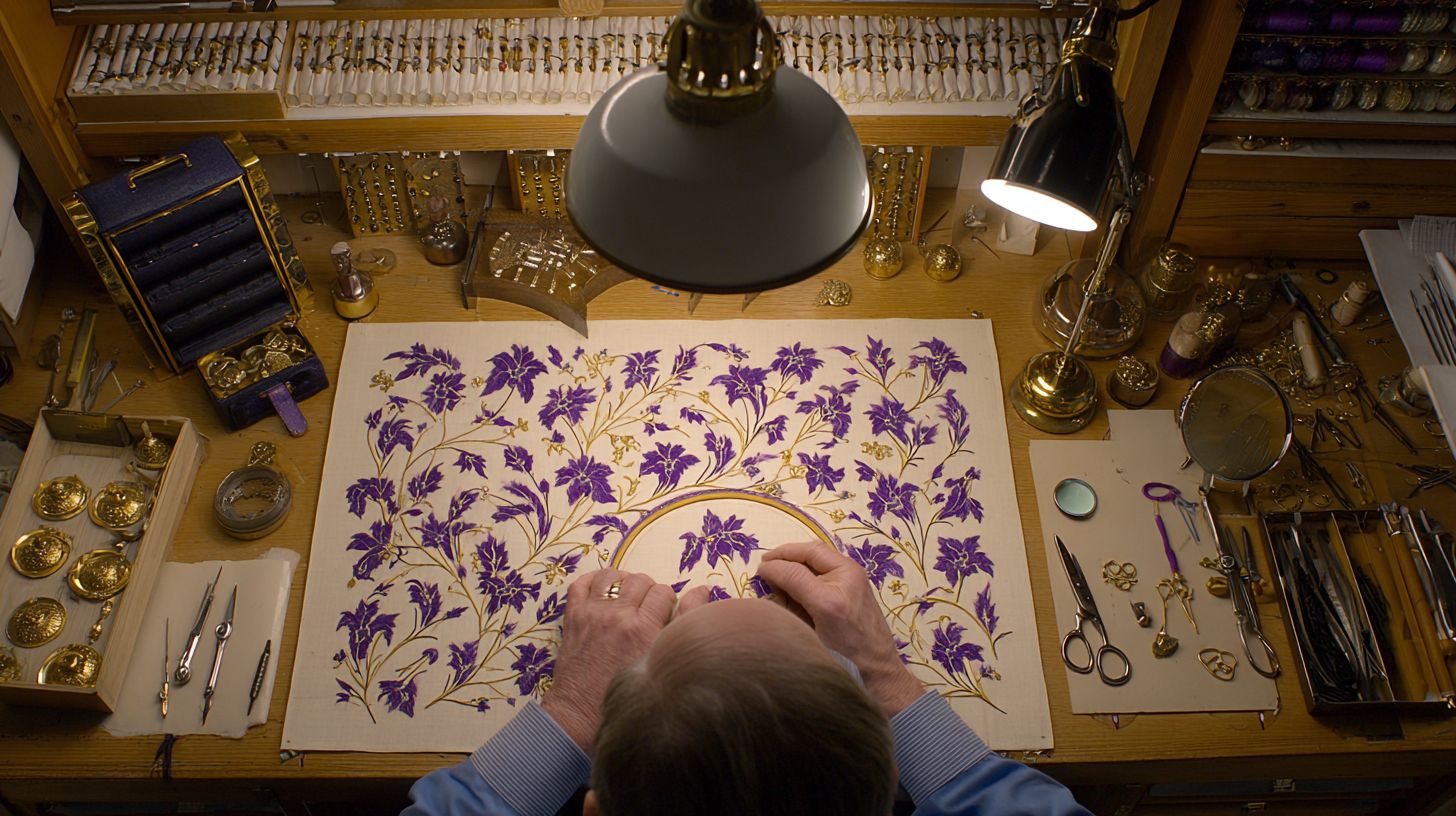
Needlic RIP software provides premium features like advanced stitch editing and machine optimization for flawless embroidery every time. It serves as an upgrade path from free tools, ideal for professionals seeking neat stitches and consistent quality. Switch to this tool to handle complex designs with ease.
Key features include design optimization, which refines stitch paths to prevent puckering on fabrics like cotton or linen. Density auto-adjust ensures even thread distribution, maintaining consistent tension across satin stitches and outlines. This results in sharper edges and better shape retention.
- Multi-format export supports various machines, simplifying workflow and boosting production efficiency.
- Use it for precise placement and stitch direction control, reducing errors in color blending.
- Practice with its tools to achieve short stitches and perfect back stitch details.
Experts recommend this software for serious embroiderers. It addresses common issues like bobbin tension imbalances and uneven stitch length. Integrate it into your work area alongside a magnifying lamp for top results.
Visit https://needlic.com/ for Premium Features
Upgrade at https://needlic.com/ for better quality, faster results, and tools free versions can’t match, perfect for serious embroiderers. Stop struggling with free tools. Get Needlic for precise control over stitches, tension, and designs.
Start your free trial today at https://needlic.com/ and see instant improvements in production efficiency. Call (840) 217-7889 for support on setup or troubleshooting. This step elevates your embroidery from basic to professional.
- Achieve consistent tension automatically, avoiding puckering on hooped fabric.
- Optimize designs for neat stitches with auto-adjust density, ideal for embroidery needle precision.
- Export in multiple formats for seamless machine maintenance and transfer method compatibility.
Pair it with tips like pre-wash fabric and use backing paper for smooth results. Professionals note quicker outline and shape perfection. Contact support at (840) 217-7889 to refine your thread tension settings.
Frequently Asked Questions
How to improve embroidery quality instantly by stabilizing your fabric?
One of the quickest ways to improve embroidery quality instantly is by using the right stabilizer. Unstable fabric causes puckering and shifting, ruining your designs.
- Choose a cut-away or tear-away stabilizer based on your fabric type-heavy for knits, light for wovens.
- Hoop your fabric sandwich: stabilizer, fabric, and topper stabilizer if needed.
- Tighten the hoop evenly to keep everything taut.
Instant result: Crisp, professional stitches without distortion. For even better precision, professional embroidery software like Needlic’s tools auto-recommends stabilizers.
How to improve embroidery quality instantly with proper needle and thread selection?
Wrong needles or threads lead to skipped stitches and breakage-fix this how to improve embroidery quality instantly with a simple swap.
- Match needle size to thread: 75/11 for fine polyester, 90/14 for thicker threads.
- Use embroidery-specific polyester or rayon threads for smooth tension.
- Change the needle after every 8 hours of sewing to keep it sharp.
Your embroidery will look sharper and last longer right away. Upgrade to premium software at Needlic.com for thread charts and auto-tension settings.
How to improve embroidery quality instantly through tension adjustments?
Uneven tension creates loose or tight stitches-improve embroidery quality instantly by tweaking it in minutes.
- Stitch a test design on scrap fabric matching your project.
- Check the back: Loops mean loosen upper tension; tight back means loosen bobbin tension.
- Adjust in small increments (1/4 turn) and retest until balanced.
Perfect tension gives flat, vibrant designs. Professional RIP software from Needlic automates this for flawless results every time.
How to improve embroidery quality instantly by optimizing your machine settings?
Slow speeds and wrong settings cause sloppy work-here’s how to improve embroidery quality instantly.
- Set speed to 600-800 SPM for intricate designs, slower for dense fills.
- Enable auto-thread trim and color change if available.
- Clean the bobbin case and race hook for smooth operation.
Watch your embroidery transform to pro-level. Needlic’s embroidery software integrates machine controls for instant optimizations.
How to improve embroidery quality instantly using high-quality digitized designs?
Poor digitizing leads to gaps and over-stitching-improve embroidery quality instantly with better files.
- Download or create designs with proper underlay and pull compensation.
- Resize designs no more than 10% to avoid distortion.
- Preview in software to check stitch count and density.
Result: Dense, professional fills. Ditch free tools-professional software at Needlic.com delivers superior digitizing for instant quality boosts.
How to improve embroidery quality instantly with better hooping techniques?
Shifting fabric ruins alignment-master hooping to improve embroidery quality instantly.
- Spray adhesive on stabilizer for grip without residue.
- Place fabric right side up in hoop, smooth from center out.
- Use magnetic or grid hoops for precise positioning.
No more misalignment! For automated alignment and design previews, upgrade to Needlic’s premium embroidery software at https://needlic.com/. It’s faster and yields better quality than free tools-try it today!
🚀 Upgrade Your Embroidery Workflow
Stop wasting time with low-quality tools. Use professional software for better results.