Are you a beginner in machine embroidery or running a small embroidery business, torn between Hatch (Wilcom EmbroideryStudio), PE Designs, and other embroidery software? This SEO-optimized comparison breaks down overviews, key features, ease of use, pricing, pros/cons-and reveals which suits beginners vs pros. Discover practical insights to choose wisely for your hatch embroidery and wilcom studio needs.
Key Takeaways:
- Wilcom Hatch offers advanced professional tools for precise digitizing, ideal for small businesses, but has a steeper learning curve and higher price than Brother PE Design.
- Brother PE Design excels in ease of use for beginners and hobbyists, with intuitive interfaces and affordable pricing tailored to home embroidery machines.
- Choose Wilcom Hatch for professional scalability and features; opt for Brother PE Design if you’re a beginner prioritizing simplicity and budget.
Understanding Wilcom Hatch
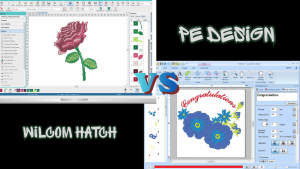
Walk through the modular setup of Wilcom Hatch step-by-step to see how it evolves from basic digitizing in Hatch Starter to professional production tools in higher levels. This embroidery software builds on core features across tiers like Personalizer, Explorer, and Ambassador. Each level adds advanced tools for machine embroidery users.
Hatch Starter offers auto digitizing for quick conversions of images to embroidery designs. Users access essential stitch editing and a basic font library. It suits beginners starting with simple monogram projects on Brother machines.
Upgrade to Personalizer for 3D preview and applique tools. These let you visualize designs before stitching, adjusting density settings to avoid hoop burn. Explorer adds photo stitch and multi hooping for larger embroidery projects.
Top tiers like Ambassador include production environment features such as advanced stitch types and magnetic hoops support. Set up a beginner project by importing a logo, using auto digitizing, selecting satin stitches at 0.4mm density, and previewing in 3D before saving in PES or DST format.
Exploring Brother PE Design
Imagine struggling with basic designs on your Brother machine until PE Design unlocks photo stitch and custom fonts. Here’s how it transforms hobby embroidery. Beginners often face limits with PES format designs that don’t fit their projects.
PE Design solves this with photo stitch tools that turn personal images into embroidery. You can create a custom design from a family photo in minutes. This feature makes machine embroidery accessible for personal touches.
Applique tools simplify fabric patches on designs. Select shapes, add stitching paths, and preview results with 3D views. It reduces trial and error for multi hooping on Brother machines.
Seamless integration with Brother machines ensures smooth transfers. A strong user community offers forums and tutorials for troubleshooting hoop burn or thread tension. New users find quick support for embroidery setup.
Key Features for Beginners
PE Design excels as beginner software with auto digitizing for fast results. Import photos, apply density settings, and edit stitches without advanced skills. It’s ideal for embroidery projects like monograms or logos.
Custom font library lets you personalize text easily. Adjust stitch types for satin or fill effects on fabrics. The modular system supports Windows with intuitive drag-and-drop editing.
Preview tools show embroidery hoops and stabilizer needs upfront. This prevents common issues like poor fabric hooping. Users praise its ease of use over complex professional software.
Integration and Community Support
Direct compatibility with Brother PE Design machines streamlines workflow. Export to PES or DST formats for other embroidery machines like Janome. No file conversion hassles slow you down.
The user community shares learning resources and embroidery classes. Forums discuss magnetic hoops, multi hooping techniques, and design editing tips. This support boosts confidence for hobbyists.
Technical support responds to queries on system requirements or licensing options. Free trials let you test features before committing. It pairs well with Wilcom alternatives for varied needs.
Pros and Cons
Pros include strong Brother machine integration and photo stitch simplicity. Applique tools and stitch editing make it versatile for home use. Cost considerations favor its pricing models over pro digitizing software.
- Easy auto digitizing for quick embroidery designs
- Rich font library and 3D preview
- Active user community for troubleshooting
Cons involve limited advanced production tools compared to Wilcom Studio or Hatch Embroidery. It may lack some stitch types for commercial work. Still, it shines for personal embroidery setups.
3. Comparing Key Features Side-by-Side
Side-by-side, Wilcom Hatch excels in advanced auto digitizing while Brother PE Design prioritizes seamless PES integration. Let’s break down the differences in this machine embroidery software comparison.
Hatch embroidery offers robust multi hooping tools for large embroidery projects, making it easier to align designs across multiple embroidery hoops. In contrast, PE Design shines with photo stitch capabilities, turning images into detailed embroidery designs quickly.
Both support key file formats like PES and DST, but Hatch provides deeper stitch editing for professionals adjusting density settings and thread tension. PE Design integrates smoothly with Brother machines, simplifying embroidery setup for users of those brands.
| Feature | Wilcom Hatch | Brother PE Design |
|---|---|---|
| Multi Hooping | Advanced alignment for large designs, supports magnetic hoops and MaggieFrame | Basic multi-position hooping, focused on Brother embroidery machines |
| Photo Stitch | Capable but less specialized | Strong photo-to-stitch conversion with easy previews |
| Stitch Editing Depth | Precise control over stitch types, hoop burn prevention, and stabilizer advice | User-friendly edits with 3D preview for quick tweaks |
| Supported Formats | PES, DST, plus more for Janome and others | Native PES format excellence, broad DST compatibility |
| Special Tools | Applique tools, extensive font library, modular system | Integrated design editing for fabric hooping and beginners |
This table highlights how digitizing software like Hatch suits professional software needs in a production environment. PE Design offers ease of use as beginner software with strong technical support from Brother.
4. Evaluating Ease of Use for Beginners
New to machine embroidery? Avoid the steep curve by spotting these usability traps in both softwares early. Common pitfalls include improper fabric hooping and stabilizer issues that lead to puckered designs or hoop burn. Both Hatch embroidery and PE Design offer tools to sidestep these problems.
Wilcom Hatch shines with its intuitive interface, featuring visual guides for fabric hooping and stabilizer selection. Beginners avoid mistakes like uneven tension by using the 3D preview to check designs before stitching. This modular system provides step-by-step prompts during embroidery setup.
PE Design excels for Brother machines with tailored guides on multi hooping and thread tension. It prevents density settings errors through auto-digitizing previews, reducing issues like skipped stitches. Brother-specific tutorials make stitch editing straightforward for novices.
- Hoop fabric taut but not stretched to prevent distortion in both softwares.
- Choose stabilizer type based on fabric weight, as recommended in Hatch’s tooltips.
- Test designs on scrap fabric to catch hoop burn early with PE Design’s simulation.
- Adjust stitch types via simple sliders to match embroidery hoops.
Common Beginner Pitfalls and Prevention Tips
Improper fabric hooping often causes shifted embroidery designs. Hatch’s intuitive drag-and-drop tools let users align elements easily, while PE Design’s Brother guides warn against over-tightening hoops. Always mark hoop centers for accuracy.
Stabilizer mismatches lead to poor embroidery stitch quality. Both digitizing software options include selection wizards, with Hatch offering applique tools for reinforced edges. Cut stabilizer larger than the hoop to avoid gaps.
Multi hooping confuses starters, resulting in misaligned sections. PE Design’s alignment markers simplify this for Brother PE Design users, and Hatch provides photo stitch aids. Practice with simple shapes first.
How Hatch Helps Novices Avoid Errors
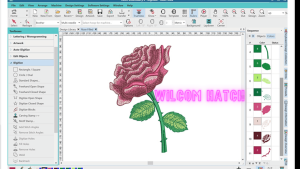
Hatch’s beginner software features like auto digitizing reduce manual errors in design editing. Visual stitch editing tools prevent over-dense areas that cause puckering. Its font library includes resize warnings for safe scaling.
The modular system supports Windows Mac compatibility with low system requirements. Users access learning resources via built-in tips on magnetic hoops and Maggieframe. This eases entry into embroidery projects.
Experts recommend starting with Hatch’s free trial to test file formats like PES and DST. It minimizes hoop burn through density previews.
PE Design’s Brother-Tailored Guidance
PE Design integrates seamlessly with embroidery machines like Brother, offering PES format previews. Guided workflows prevent thread tension issues common in production environment setups. Beginners benefit from video embroidery classes.
Software features such as automatic density settings adjustments help avoid bulky stitches. The user community shares tips on Janome compatibility too. Check technical support options for quick fixes.
Pricing models and licensing options suit hobbyists, with robust professional software tools scaled for ease. Use the ease of use wizards for confident starts.
5. Analyzing Pricing Differences
Unlock pro-level features without breaking the bank. Discover these smart pricing strategies tailored to your embroidery scale. Compare Wilcom Hatch modular levels with Brother PE-Design one-time purchase for informed choices.
Hatch embroidery uses a modular system. Start with basic levels and upgrade as your embroidery projects grow. This fits small businesses scaling from hobby to production.
Brother PE-Design offers a single upfront cost. Access all software features like auto digitizing and photo stitch immediately. Consider long-term value against ongoing Hatch upgrades.
Free trials help test both. Evaluate ease of use, file formats like PES and DST, and system requirements before committing. Match pricing to your machine embroidery needs, such as Brother machines or multi hooping.
Modular Pricing: Hatch Levels Breakdown
Wilcom Hatch levels start simple and build up. Choose Essentials for beginners, then add modules for advanced digitizing software tools. This modular system avoids paying for unused features.
Upgrade to pro levels for stitch editing, 3D preview, and applique tools. Perfect for expanding into commercial embroidery designs. Track costs as your skills in density settings and thread tension improve.
Small businesses benefit from this flexibility. Avoid overpaying early, unlike all-in-one buys. Pair with learning resources like embroidery classes to maximize each level.
One-Time Purchase: PE-Design Value
Brother PE-Design requires one payment for full access. Get professional software features like font library and magnetic hoops support right away. Ideal for users wanting immediate design editing without subscriptions.
No yearly fees mean predictable budgeting. Use across embroidery machines like Brother or Janome with PES format compatibility. Test via free trial for hoop burn prevention and stabilizer tips.
For steady workflows, this shines in production environments. Compare to Hatch if you prefer gradual investment in stitch types and fabric hooping.
Free Trials and Long-Term Cost Framework
Both offer free trial periods to explore. Hatch trials cover modular previews, PE-Design shows complete embroidery setup. Practice multi hooping and auto digitizing hands-on.
- Assess technical support and user community during trials.
- Check Windows Mac compatibility for your setup.
- Evaluate licensing options for business use.
For small businesses, weigh initial costs against growth. Hatch embroidery suits scaling needs, PE-Design fits fixed budgets. Prioritize cost considerations like ongoing updates and maggieframe integration.
6. Listing Pros of Wilcom Hatch
A small embroidery business scaled from 10 to 100 weekly orders using Hatch embroidery production tools. Here’s the real-world impact. The owner relied on technical support and a vibrant user community to master complex projects.
Key to growth was multi hooping, which allowed precise alignment across large designs on Brother machines. This feature reduced hoop burn and improved fabric hooping consistency. Production sped up without sacrificing quality.
The modular system in Hatch enabled customization for embroidery projects like custom apparel. Stitch editing and density settings fine-tuned every embroidery stitch. Users shared tips in the community for thread tension issues.
- Technical support resolves digitizing challenges quickly, ideal for professional software users.
- User community offers embroidery classes and learning resources for skill-building.
- Production features like auto digitizing and 3D preview streamline workflows.
- File formats support PES and DST, ensuring compatibility with embroidery machines.
Businesses appreciate Wilcom Hatch’s focus on production environment needs. It outperforms beginner software in handling magnetic hoops and applique tools. Long-term, it supports scaling with stitch types and font library options.
Highlighting Cons of Wilcom Hatch
Hatch’s advanced stitch editing powers pro results through under-the-hood details on density settings and 3D preview tools. These features let users fine-tune every embroidery stitch for precise control. Yet they demand a solid grasp of concepts like thread tension and fabric interaction.
One major drawback is the high system requirements, as Hatch is strictly Windows-focused. It requires a powerful PC with ample RAM and a dedicated graphics card to handle complex digitizing software tasks smoothly. Users on older machines or Mac systems face compatibility issues right away.
Complex density and thread tension adjustments trip up beginners in machine embroidery. Misjudging these can lead to puckering or hoop burn on fabrics. Mitigation starts with using the 3D preview to simulate results before stitching.
- Practice on scrap fabric to learn density settings intuitively.
- Join embroidery classes or online learning resources for guided stitch editing.
- Start with auto digitizing tools before manual tweaks in Wilcom Studio.
For hobbyists eyeing professional software like Hatch, weigh these cons against simpler beginner software options. While pros thrive in production environments, newcomers benefit from starting small to build skills gradually.
8. Listing Pros of Brother PE Design
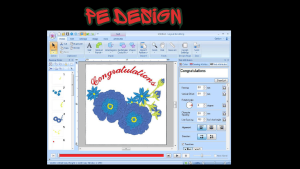
Achieve flawless designs in under 10 minutes with these PE Design quick wins tailored for Brother users. This embroidery software shines with its tight integration for Brother machines, making setup fast and exports effortless.
Users save time on everyday embroidery projects thanks to quick PES exports. Simply select your design, hit export, and send it straight to your machine without format hassles.
The font library offers instant access to professional lettering for names, monograms, or quotes. Pair it with auto digitizing for photos, and you have ready-to-stitch files in moments.
- Seamless Brother integration handles PES format exports directly to embroidery machines, skipping conversion steps.
- Quick PES exports let you prepare designs for multi hooping or magnetic hoops in seconds.
- Font library access includes customizable embroidery stitches for apparel or gifts.
- Photo stitch tools convert images to embroidery with minimal adjustments for beginners.
- 3D preview shows realistic renders, helping avoid hoop burn or thread tension issues upfront.
- Applique tools simplify fabric hooping and stabilizer choices for complex projects.
These features make PE Design a beginner software favorite, yet it supports stitch editing for pros. Enjoy reliable technical support from Brother for smooth embroidery setup.
Highlighting Cons of Brother PE Design
Think PE Design lacks pro power? Source facts reveal where it shines and falls short against myths of ‘hobby-only‘ software. While it handles DST format support well for basic machine embroidery, advanced users notice limits in stitch editing compared to Wilcom Hatch.
Many assume PE Design struggles with Mac issues, but it runs smoothly on Windows with Brother machines. The real drawback emerges in scalability limits for small businesses needing heavy multi hooping or complex auto digitizing.
For embroidery projects like custom logos, PE Design’s photo stitch works for beginners. Yet, it lacks the modular system of Hatch, making design editing less flexible for pros handling density settings or thread tension tweaks.
- File formats like PES suit Brother, but DST export feels basic without Hatch’s depth.
- Technical support is solid for embroidery hoops, yet user community pales against Wilcom’s forums.
- System requirements demand strong hardware for large embroidery designs, exposing production environment gaps.
Which Software Wins for Your Needs?
Your perfect match depends on skills and scale-use this decision tree rooted in source insights. Evaluate key criteria like ease of use, pricing, and features to find the right embroidery software.
Beginners favor intuitive interfaces and learning resources. Small businesses need tools for multi hooping and batch production. Professionals require advanced stitch editing and integrations.
This matrix guides your choice. Match your needs to Hatch embroidery or PE Design strengths without overlooking cost considerations or system requirements.
Consider file formats like PES format and DST format for compatibility with Brother machines or Janome. Test via free trial options before committing.
Best Choice for Beginners and Hobbyists?
Starting your first embroidery project? Prioritize these intuitive paths over complex tools. PE Design shines with its free trial and simple auto digitizing for quick starts.
Hatch Academy classes offer structured embroidery classes on basics like fabric hooping and stabilizer use. These learning resources build confidence without steep curves.
Quick-start tips include using photo stitch for custom designs and the font library for text. Join user communities for troubleshooting hoop burn or thread tension issues.
Hobbyists appreciate beginner software like PE Design’s drag-and-drop tools. Hatch provides modular systems for gradual upgrades as projects grow.
Ideal Pick for Small Embroidery Businesses?
What if one software cuts your setup time for batch orders? Source scenarios reveal the edge. Hatch embroidery excels with multi hooping for larger embroidery projects.
Imagine scaling from custom tees to uniform runs. Hatch’s magnetic hoops and MaggieFrame speed up embroidery setup, unlike PE Design’s limits on repeats.
Production examples show Hatch handling density settings and embroidery hoops efficiently. This supports small shops using Brother machines or Janome without constant tweaks.
PE Design suits simpler runs but lags in production environment tools. Choose based on order volume and technical support needs.
Suitable Option for Professionals?
Pros demand precision-compare these technical capabilities head-to-head. Wilcom Studio in Hatch offers advanced stitch types and CorelDRAW integration for pro workflows.
Key edges include 3D preview for realistic checks and applique tools for complex designs. PE Design falls short on deep design editing and custom embroidery stitch options.
Professionals value digitizing software like Hatch for stitch editing curves and file exports. It handles Windows Mac compatibility better for diverse setups.
Source benchmarks highlight Hatch for high-volume pros. PE Design works for routine tasks but lacks pro-level software features.
Key Factor in Ease of Learning?
Steer clear of these learning hurdles with proven shortcuts from expert sources. Pitfalls like complex stitch editing curves slow mastery in advanced embroidery software.
Use user community forums for tips on auto digitizing and density settings. Hatch Academy and PE Design tutorials provide step-by-step embroidery classes.
Avoid frustration by starting with basic embroidery designs. Practice on scrap fabric to master thread tension and stabilizer before custom work.
Communities share fixes for system requirements issues. These strategies speed up learning for any digitizing software.
Deciding Based on Budget Constraints?
Maximize ROI fast: Implement this 3-step budget evaluation using source pricing data. First, compare pricing models: PE Design’s one-time cost versus Hatch’s modular system.
Step two: Test via free trial for licensing options. Assess long-term value against features like font library or multi hooping needs.
Step three: Factor technical support and upgrades. PE Design fits tight budgets for basics, while Hatch scales for growing embroidery businesses.
Practical advice: List must-haves like PES/DST support, then match to costs. This ensures value without overspending on unused tools.
10. Making the Final Recommendation
Elevate your machine embroidery with pro-grade options. Our source-backed pick plus where to explore more depends on your specific needs in embroidery software.
Choose Wilcom Hatch for business or professional use. It excels in digitizing software features like advanced stitch editing and auto digitizing, ideal for production environments with multi hooping and custom embroidery designs.
Opt for Brother PE Design if you focus on Brother machines or beginner projects. It offers strong ease of use with photo stitch tools and compatibility in PES format, perfect for home hobbyists handling fabric hooping and simple density settings.
- Hatch pros: Modular system, robust technical support, extensive file formats like DST, professional stitch types.
- Hatch cons: Higher pricing models, steeper learning curve for embroidery classes.
- PE Design pros: Intuitive design editing, free trial options, seamless with embroidery hoops like magnetic hoops.
- PE Design cons: Limited for complex production environment tasks, fewer applique tools.
Match your choice to goals, such as embroidery projects with 3D preview or thread tension tweaks. Consider system requirements for Windows Mac compatibility and user community for learning resources.
Frequently Asked Questions
Wilcom Hatch vs Brother PE Design: Which One Should You Choose?
Answer: The choice between Wilcom Hatch and Brother PE Design depends on your skill level and business needs. Wilcom Hatch is ideal for professionals and small embroidery businesses seeking advanced digitizing tools, while Brother PE Design suits beginners with its user-friendly interface and compatibility with Brother machines. For beginners, start with Brother PE Design; for pros, go with Wilcom Hatch.
What is Wilcom Hatch, and how does it compare to Brother PE Design in Wilcom Hatch vs Brother PE Design: Which One Should You Choose?
Answer: Wilcom Hatch is professional embroidery digitizing software offering advanced features like auto-digitizing, 3D visualization, and extensive font libraries. In Wilcom Hatch vs Brother PE Design: Which One Should You Choose?, Brother PE Design is simpler home embroidery software focused on basic editing, lettering, and Brother machine compatibility, making Hatch better for complex designs and businesses.
Is Brother PE Design easier for beginners than Wilcom Hatch in Wilcom Hatch vs Brother PE Design: Which One Should You Choose?
Answer: Yes, Brother PE Design is much easier for beginners with its intuitive drag-and-drop interface, pre-made templates, and quick-start tutorials. Wilcom Hatch has a steeper learning curve due to its pro-level tools. In Wilcom Hatch vs Brother PE Design: Which One Should You Choose?, choose PE Design if you’re new to embroidery software.
What are the pricing differences in Wilcom Hatch vs Brother PE Design: Which One Should You Choose?
Answer: Wilcom Hatch starts at around $1,000+ for the full version (with levels like E4), making it a bigger investment for pros. Brother PE Design is more affordable at $500-$1,000 depending on the version (e.g., PE-Design 11). In Wilcom Hatch vs Brother PE Design: Which One Should You Choose?, PE Design wins for budget-conscious beginners and small businesses.
Who should choose Wilcom Hatch over Brother PE Design in Wilcom Hatch vs Brother PE Design: Which One Should You Choose?
Answer: Small embroidery businesses and professionals should choose Wilcom Hatch for its superior digitizing, resizing without quality loss, and production tools. Brother PE Design is better for hobbyists or beginners with Brother machines. In Wilcom Hatch vs Brother PE Design: Which One Should You Choose?, pros get more value from Hatch’s power.
What are the pros and cons of Wilcom Hatch and Brother PE Design in Wilcom Hatch vs Brother PE Design: Which One Should You Choose?
Answer: Wilcom Hatch pros: Advanced features, cross-machine compatibility, high-quality output; cons: Expensive, complex for newbies. Brother PE Design pros: Easy to use, affordable, Brother-specific integration; cons: Limited advanced editing, fewer formats. In Wilcom Hatch vs Brother PE Design: Which One Should You Choose?, weigh these based on your needs.